
Why does skin become more sensitive as we age?
A couple of years ago, as I headed into my mid-40s, I started noticing my skin changing in ways I hadn't experienced before.
One minute it was as happy as Larry. The next it was breaking out like a teenager, flaking like filo pastry or turning beetroot red without me even breaking a sweat (hello Rosacea).
The irony wasn't lost on me. I co-own a natural skincare company and happen to be married to our resident cosmetic chemist, yet there I was, trying to figure out why my own skin had suddenly become so fussy.
So I did what any skincare fanatic married to a chemist would do - went down a research rabbit hole. And the more I dug, the more it all clicked.
As we get older, our skin naturally changes. While we often think about ageing in terms of wrinkles and fine lines, a lot is happening beneath the surface that can make skin drier, more reactive and a little less tolerant than it used to be.
So, if your skin has been behaving a little dramatically lately too, I hope this guide helps make sense of what's going on.
What's causing all the skin kerfuffle?
Lower moisture levels
Your skin makes fewer of the lipids and ceramides that form a big part of your natural moisture barrier, so it dries out faster and hangs onto moisture less effectively.
Oil production slows
Sebum gets a bad rap, but it's actually an important part of your skin's protective film. Oil production begins tapering off after your 20s and drops more noticeably later on.
Less oil = drier skin. Drier skin = more reactive skin.
Cell turnover slows
In your 20s, your skin renews itself roughly every four weeks. By your 50s, that process can take significantly longer. Damage takes longer to repair, so irritation tends to stick around for longer too.
Skin gets thinner
Both the outer layer of your skin and the collagen-rich layer beneath it gradually thin over time, making your skin barrier less effective at protecting you from environmental irritants.
Your skin's pH rises
Healthy skin sits at a slightly acidic pH, which helps support the enzymes that build your skin barrier while discouraging unfriendly bacteria (Aaron taught me that one). As we age, that acidity gradually weakens, making skin more prone to sensitivity and flare-ups.
Hormones shift
This was probably the biggest lightbulb moment for me. During perimenopause and menopause, falling oestrogen levels reduce collagen, hydration and oil production all at once. No wonder my skin suddenly felt like it had a personality transplant.
Years of UV exposure take their toll
Sun damage doesn't happen overnight. UV exposure accumulates over the years, gradually breaking down collagen and elastin while making skin more vulnerable to dryness, sensitivity and premature ageing.
And then there's how we've been treating it...
This one hit a little close to home. Like many skincare lovers, I'd spent years layering acids, trying every exciting new active and assuming that if one good ingredient was helpful, five must be even better. Turns out... not necessarily.
Active ingredients have their place, but mature skin often becomes less tolerant of an intensive routine. What your skin happily handled at 25 might simply be a little too much at 45, 55 and beyond.
A simple skincare routine for sensitive, mature skin
If your skin has started stinging, flaking or throwing tantrums over products it happily used for years, don't panic. And definitely don't panic-buy half the skincare aisle. The fix isn't more products. It's fewer, gentler ones, used consistently. These days, my routine is actually much simpler, and honestly, my skin has never been happier.
1. Cleanse without stripping
Foaming cleansers and anything that leaves skin feeling tight or squeaky are doing your barrier no favours. Mature skin is already producing less oil, so a harsh cleanse takes away the little it has.
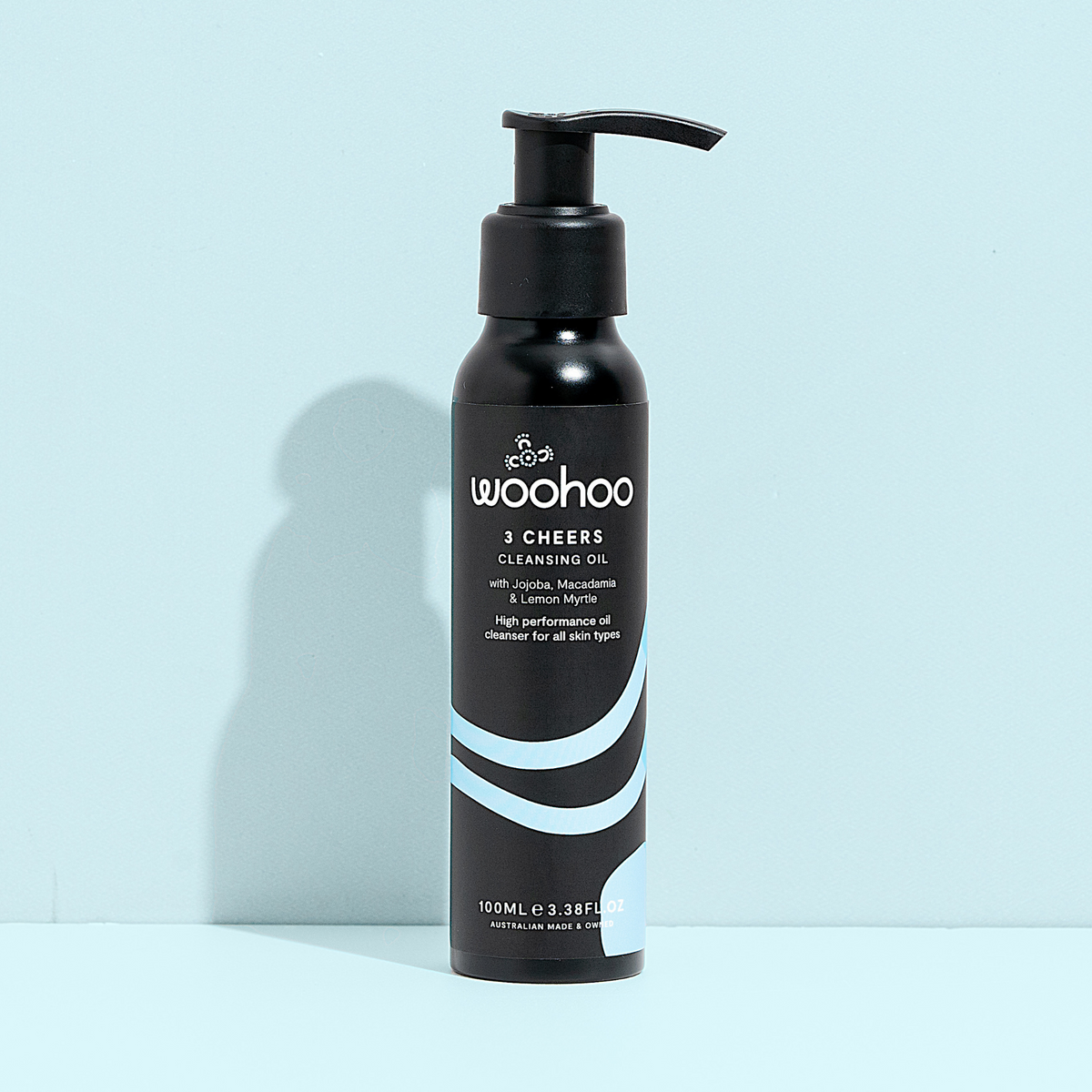
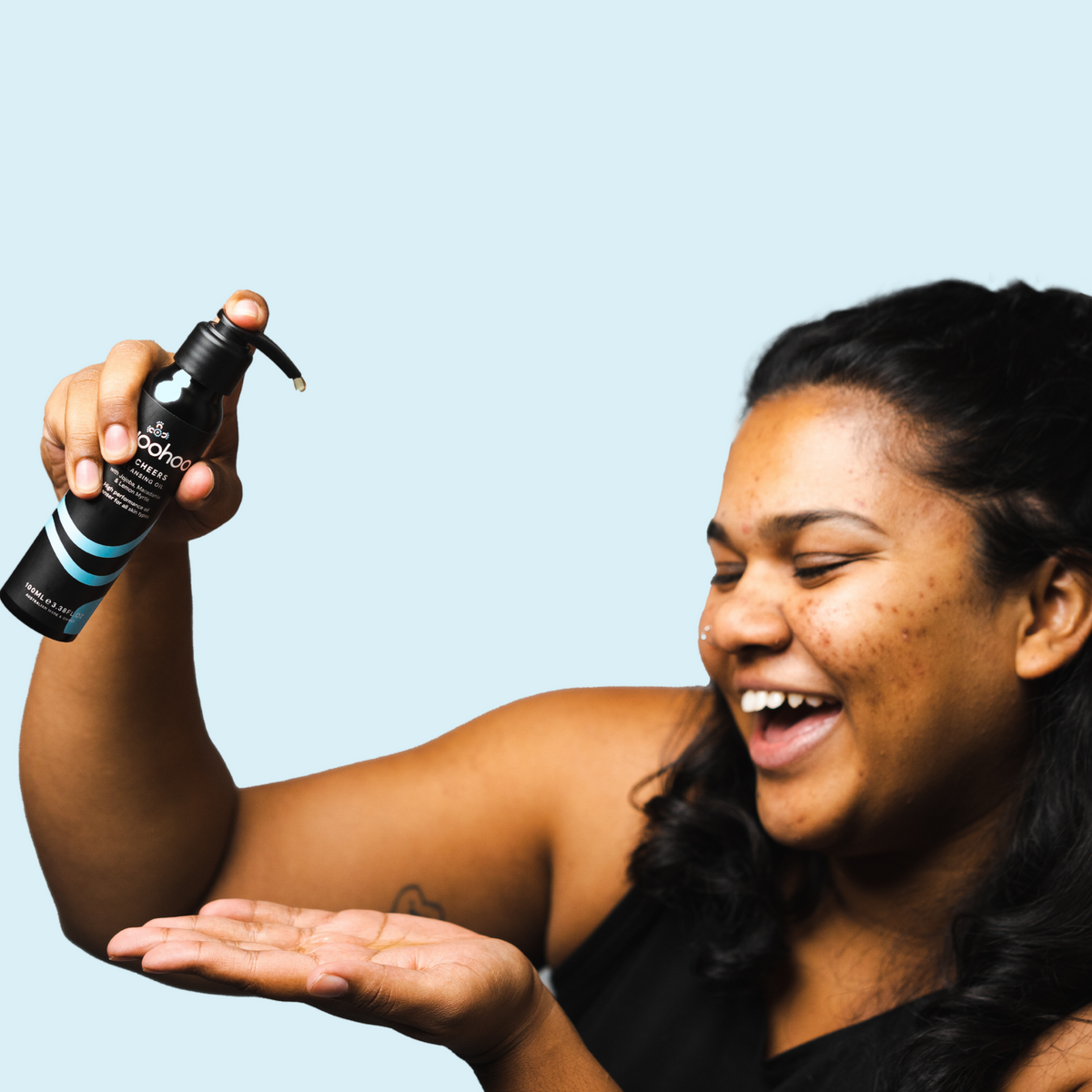
I recommend swapping to a nourishing oil or balm that lifts makeup, sunscreen and the day's grime without the stripping.
My top picks:
- '3 Cheers' Cleansing Oil for a light, hydrating everyday cleanse
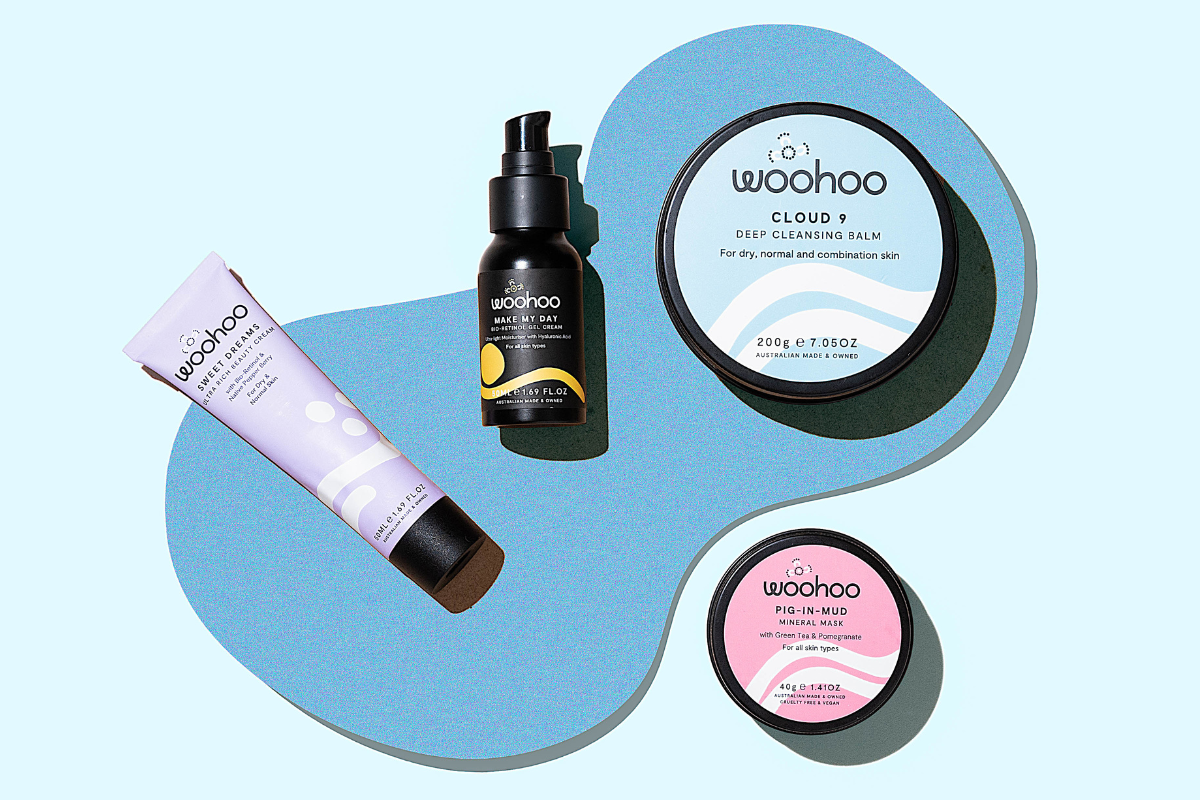
- 'Cloud 9' Deep Cleansing Balm when skin is feeling especially dry, tight or reactive
Both leave skin clean and comfortable, never squeaky.
2. Hydrate first, treat second
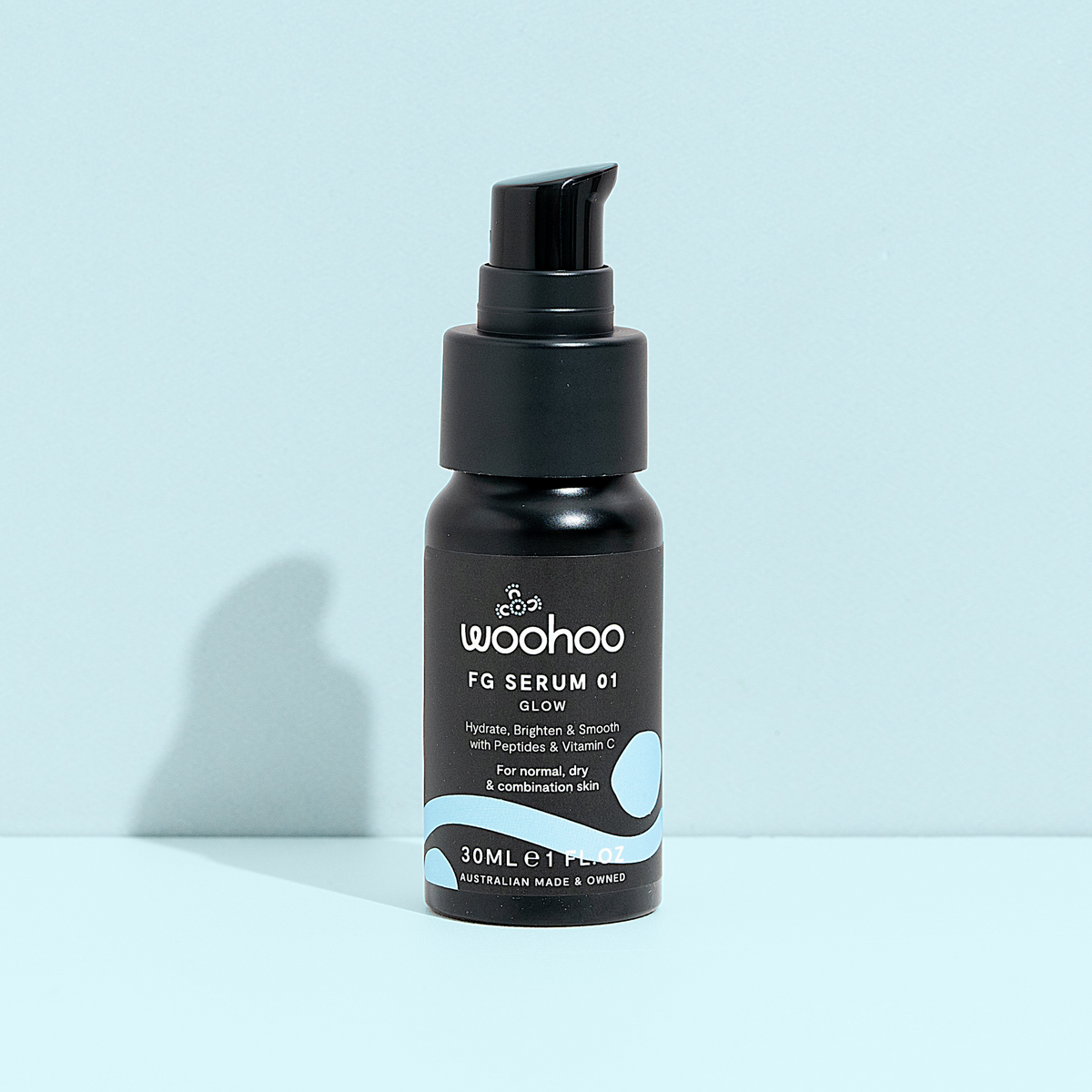
When the barrier is struggling, hydration does more good than any active ingredient will. Get moisture in before you ask your skin to do anything else. My pick is 'FG' Serum 01 - a light, water-based drink of hydration that helps smooth and brighten even the most fickle skin.

3. Go gently with your actives
Love your vitamin C or retinol (same!)? No need to break up with them. Your skin may simply prefer them two or three nights a week rather than every night. With sensitive skin, frequency matters more than strength.
My top picks:
- ‘Raindrops’ Hydrating Face Mist for a Vitamin C boost (skip it if you’ve already applied FG Serum 01)
- 'Make My Day' Bio-Retinol Gel Cream for a gentle renewal option
4. Quench your moisture barrier
As oil production slows, skin needs help holding onto moisture, so applying a daily hydrating cream is a must. Look for squalane, shea butter and plant oils that replace the lipids skin loses over time. If fragrance is one of your triggers, choose a fragrance-free formula.
My top picks:
- 'Sweet Dreams' Ultra-Rich Beauty Cream, for overnight comfort when skin is dry and reactive (and it's fragrance free)
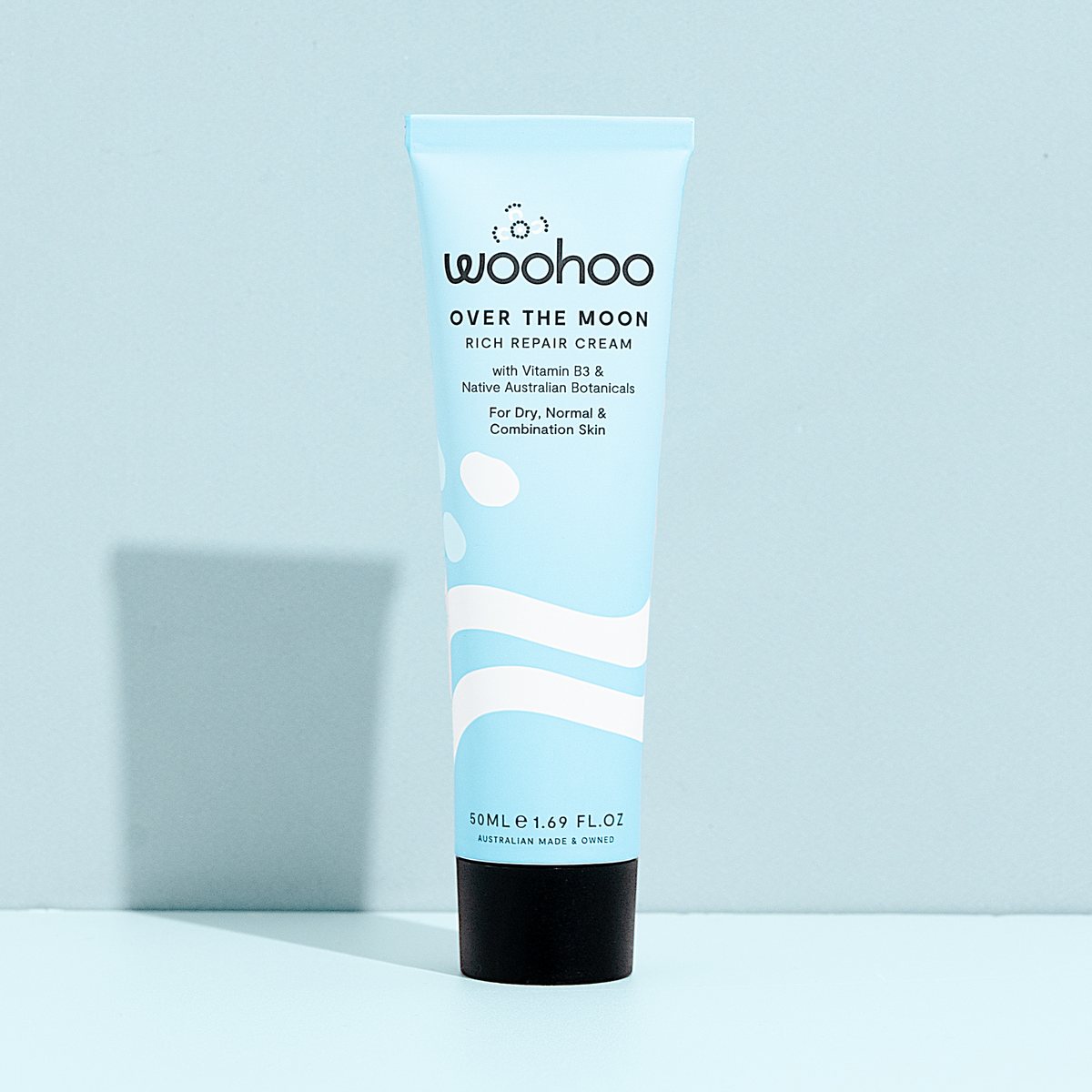
- 'Over the Moon' Rich Repair Cream for everyday barrier support
TIP: I love placing a few drops of oil pressed over my moisturiser to help seal everything in and replenish lost moisture. 'Laugh Out Loud' Nourishing Facial Oil is a lovely comfort for skin that flushes easily.
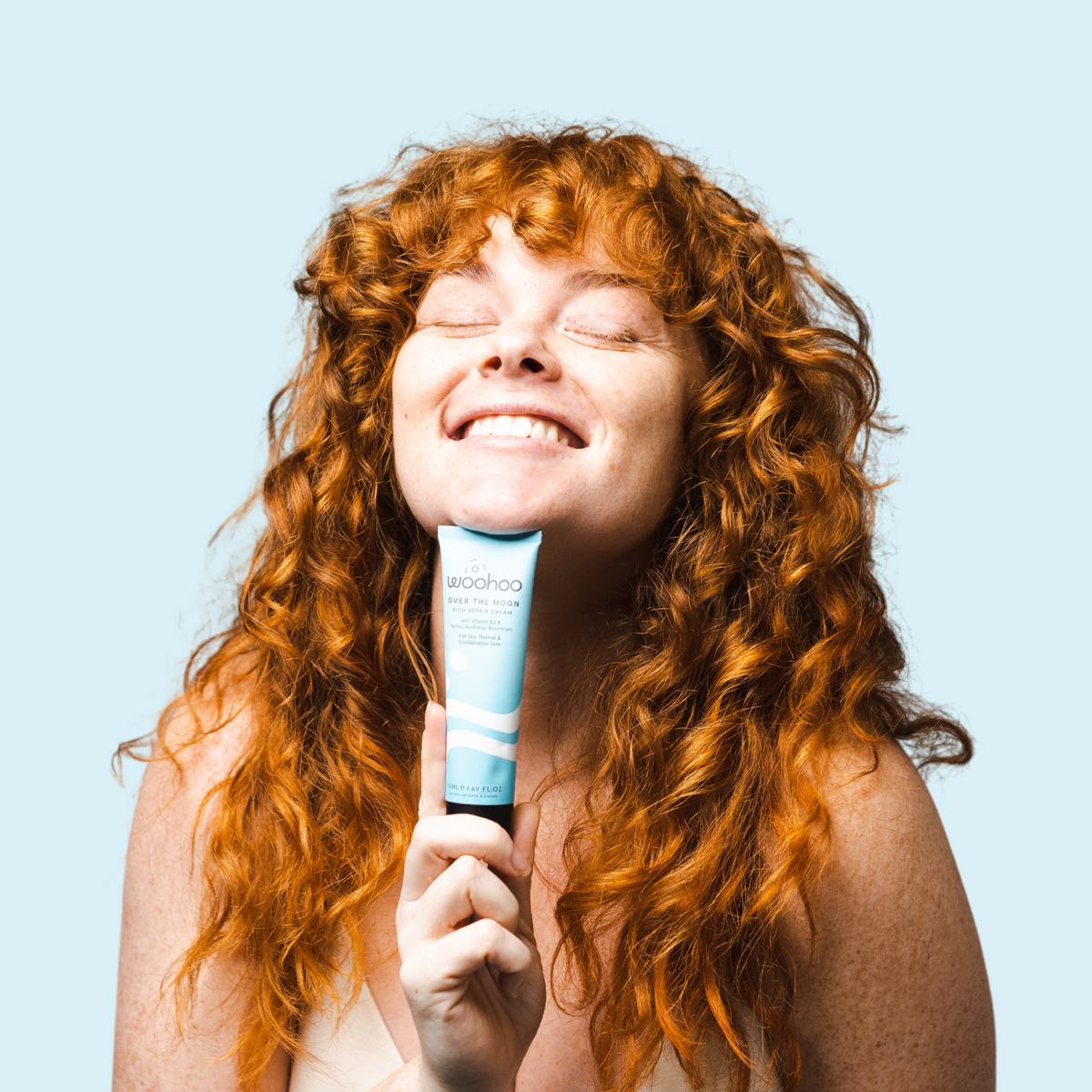
Soften, nourish, deeply hydrating
5. Wear sunscreen. Every. Single. Day.
If there's one habit I never skip, this is it (my rosacea really doesn't appreciate too much sun). Daily SPF protects your barrier and reduces the damaging effects of UV exposure. I love using a lightweight, un-fragranced part-mineral-part-organic SPF cream with full-spectrum protection rain, hail, shine, summer, winter. Ideally I’d use one that’s fully mineral-based, but I haven’t found one that agrees with my skin!
A rule worth following: introduce one new product at a time, and give it two weeks before you add another. If your skin starts to react, you'll know exactly what might be causing it.
And it's worth remembering that stress, lack of sleep and poor lifestyle choices can also trigger skin sensitivities, so what's happening on the inside matters as much as what you're putting on the outside.
Your skin is meant to change as the years roll by. That doesn't mean the ride has to be uncomfortable - I'm living proof 😉
Big smiles,
Phoebe